How to dry clothes faster indoors
Ranked by effect, with the running cost of each. The best two are free.
We have not tested these products and we do not pretend to have. Here is what we did instead. Links to Amazon earn us a commission at no extra cost to you - disclosure.

| # | Rack | Best for | Open footprint | Price |
|---|---|---|---|---|
| 1 | 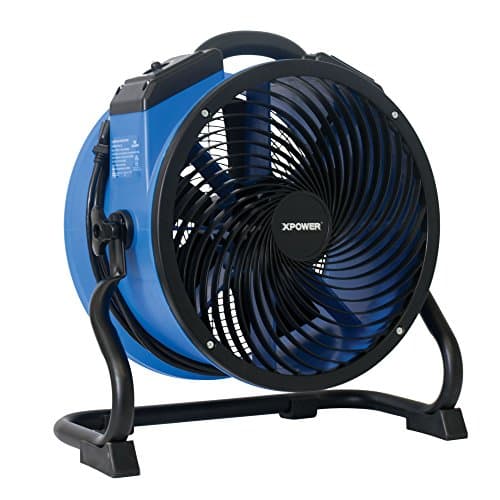 XPOWER FC-300 Air Mover / Whole Room Air CirculatorTop pick2100 cfm on a published 100 W. That is more than seven times the airflow of a typical utility fan for the same power draw, and airflow is what dries laundry. | The fastest air over a rack | 18.6"D x 19.2"W x 9.4"H | |
| 2 | 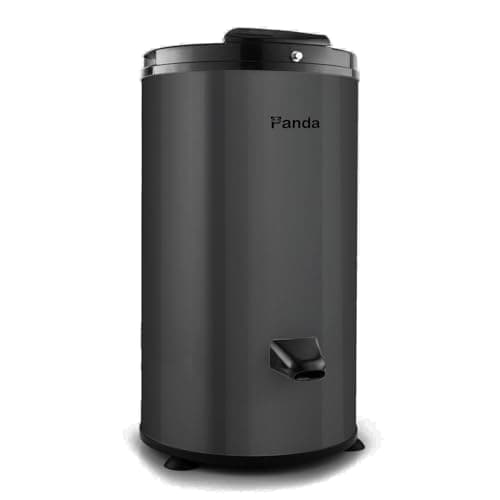 Panda Portable Spin Dryer, 3200 RPM, 22 lbA 3200 RPM centrifuge that leaves laundry damp rather than wet before it ever reaches a rack. No heat, and it changes the whole timeline. | Cutting drying time in half | 13.5"D x 13.5"W x 25.5"H | |
| 3 | 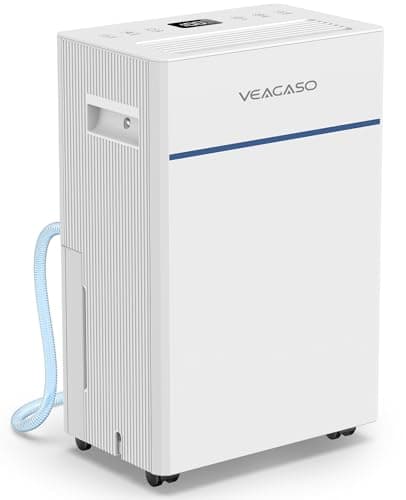 VEAGASO Dehumidifier, 28 Pints, 2000 Sq Ft28 pints a day on a published 158 W draw - the best pints-per-watt figure here, and quiet enough at 38 dB to run in a bedroom. | Drying a load overnight | 10.6"D x 6.7"W x 15.9"H | |
| 4 | 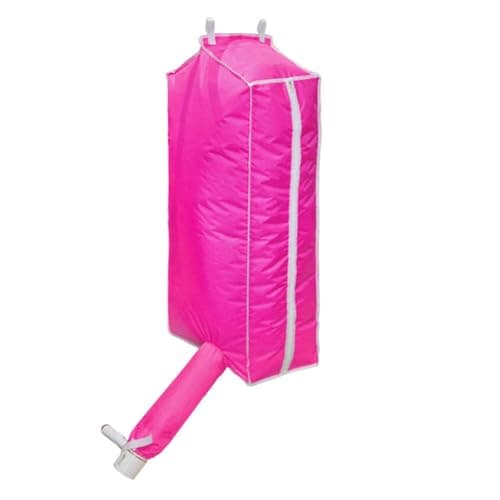 DimyFew Portable Dryer Cover / Clothes Tent EnclosureA ripstop tent that goes over a standing rack and traps the warm air. The cheapest genuine speed-up available if you already have a rack. | Making a rack you already own faster | 30"D x 55"W x 110"H |
Every method below works by changing one of four things: the water in the fabric, the airflow past it, the humidity of the room, or the temperature. They are ranked here by how much time they buy for what they cost.
The ranking
| Method | Time saved | Cost per load | Notes |
|---|---|---|---|
| Second spin cycle | Up to 30% | 0¢ | The most skipped free step |
| Space garments so none touch | Up to 50% | 0¢ | Biggest single factor |
| Fan through the rack | About 50% | 15¢ | Best value purchase here |
| Open a window or run an extractor | 20-40% | 0¢ | Weather permitting |
| Dehumidifier in a closed room | 20-30% | 23¢ | Also fixes the damp |
| Dedicated spin dryer | 30-50% | Negligible | Removes far more water than a washer |
| Cover over the rack, with a fan | 20-40% | 15¢ | Traps warm moving air |
| Heated rack | 20-40% | 25¢ | Least effect per dollar of the four |
| Move the rack to a warmer room | 20-50% | 0¢ | Free, and nobody thinks of it |
Costs are computed at 18.34 cents per kilowatt-hour, the US residential average for June 2026 published by the EIA and retrieved on 2026-09-02.
Why spacing beats everything you can buy
Where two wet garments touch, that contact area is not exposed to air at all. It stays wet for hours after the rest of the load has finished, and it holds the whole load's completion time hostage. Fixing it costs nothing and often halves the time on its own.
The corollary is uncomfortable: a bigger rack is frequently a better upgrade than a heated one, because it lets you space a load properly instead of packing it. See how much laundry fits on a drying rack.
Fan placement, specifically
- Low and angled up, so air passes through the rack rather than around it.
- At one end, blowing along the length, not at the broad side.
- A foot or two back. Close enough for the air to arrive with speed, far enough for it to spread across the whole rack.
- On a timer if it has one, so it stops when the laundry does.
The free move nobody makes
Move the rack to the warmest room in the home. If you are heating a living room to 70 F and the laundry is drying in an unheated 55 F hallway, you are paying for heat and not using it. Relocating the rack costs nothing and is often worth as much as a fan.
Where heat sits in the ranking
Last, and that surprises people. Heat does work - warmer water evaporates faster - but in a closed room the air saturates and the heat stops helping, whereas airflow keeps working because it is continuously replacing the saturated layer. That is why the ranking puts a $30 fan above a $150 heated rack. The full argument is on do heated drying racks work.
What to buy, if anything
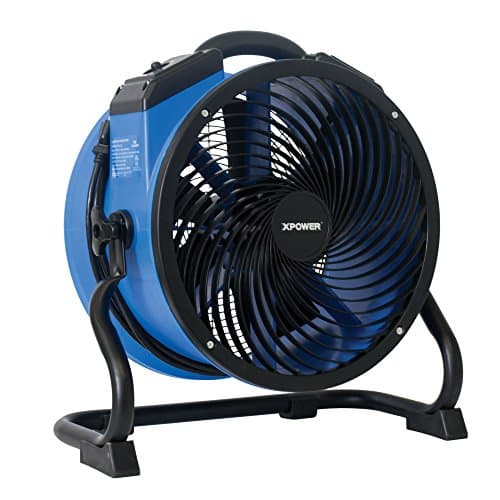
Top pick · The fastest air over a rack
XPOWER FC-300 Air Mover / Whole Room Air Circulator
2100 cfm on a published 100 W. That is more than seven times the airflow of a typical utility fan for the same power draw, and airflow is what dries laundry.
What the manufacturer publishes
- Open
- 18.6"D x 19.2"W x 9.4"H
- Folded
- Not applicable
- Drying line
- Not applicable
- Load capacity
- 2100 cfm
- Material
- Housing with high-torque induction motor
- Rated wattage
- 100 W
Costs 1.8¢ an hour to run - 9.2¢ for a 5-hour session, at 18.34¢/kWh (US residential average, June 2026).
Figures from Manufacturer listing on Amazon, retrieved 2026-09-02.
2100 cfm at 100 W is the specification that matters. Air movement is the single biggest lever on indoor drying time, and this delivers the most of it per watt of anything here.
One hundred watts for four hours is about 7 cents at the current US average rate. Running a fan alongside an unheated rack is close to the cheapest intervention available.
The three-hour timer means you can start it when you hang the load and not think about it, which is how it ends up actually getting used.
It is a floor blower, so it is directional. Aim it along the length of the rack, not at one garment.
Good
- 2100 cfm - by far the most airflow here
- 100 W published
- 3-hour timer
- Four speeds
Not so good
- Loud at full speed - this is shop equipment
- 13 lb and 18 inches across
- Directional, so placement matters
Skip this if the rack is in a bedroom you sleep in. A 2100 cfm air mover is not a quiet appliance.
#ad · how this is funded · price as of October 16, 2026
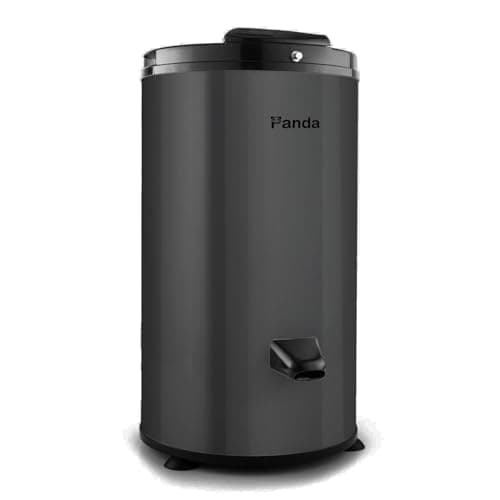
Pick 2 · Cutting drying time in half
Panda Portable Spin Dryer, 3200 RPM, 22 lb
A 3200 RPM centrifuge that leaves laundry damp rather than wet before it ever reaches a rack. No heat, and it changes the whole timeline.
What the manufacturer publishes
- Open
- 13.5"D x 13.5"W x 25.5"H
- Folded
- Not applicable
- Drying line
- Not applicable
- Load capacity
- 22 lb
- Material
- Stainless steel drum
Figures from Manufacturer listing on Amazon, retrieved 2026-09-02.
A washing machine's spin cycle leaves clothes holding a lot of water. A dedicated spin dryer at 3200 RPM removes much more of it mechanically, and mechanical water removal is far cheaper than evaporating the same water with heat.
The practical effect is on the clock, not the bill: laundry that goes onto the rack already damp rather than wet finishes hours earlier.
22 lb capacity and a stainless drum, in a footprint about the size of a kitchen trash can.
The listing does not publish a wattage, so we do not publish a running cost for it. What we can say is that the spin runs for minutes, not hours.
Good
- 3200 RPM - the highest spin speed here
- 22 lb capacity
- Stainless drum
- Runs for minutes, not hours
Not so good
- No published wattage
- Another appliance to find space for
- Gravity drain means it needs to sit near a drain or a bucket
Skip this if your washer already has a high-speed spin. The gain is much smaller if your machine spins at 1400 RPM or above.
#ad · how this is funded · price as of October 16, 2026
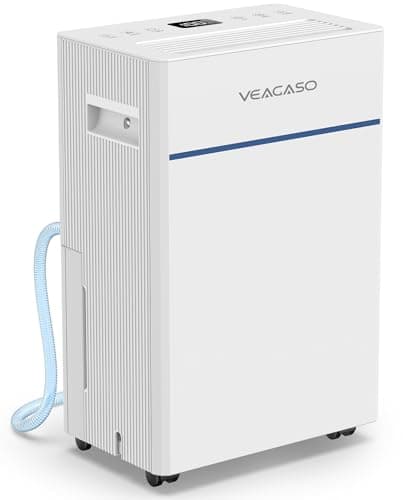
Pick 3 · Drying a load overnight
VEAGASO Dehumidifier, 28 Pints, 2000 Sq Ft
28 pints a day on a published 158 W draw - the best pints-per-watt figure here, and quiet enough at 38 dB to run in a bedroom.
What the manufacturer publishes
- Open
- 10.6"D x 6.7"W x 15.9"H
- Folded
- Not applicable
- Drying line
- Not applicable
- Load capacity
- 28 pints per day
- Material
- Compressor dehumidifier
- Rated wattage
- 158 W
Costs 2.9¢ an hour to run - 14.5¢ for a 5-hour session, at 18.34¢/kWh (US residential average, June 2026).
Figures from Manufacturer listing on Amazon, retrieved 2026-09-02.
A dehumidifier does not blow air at your laundry; it removes the water your laundry has just put into the room. That is why it dries a closed room full of washing and a fan does not.
158 W is the number to compare against a heated rack. Running it for eight hours costs about 23 cents at the current US average rate - roughly what a 270 W heated rack costs for five.
38 dB is quiet enough to sleep through, which matters because the natural way to use one is overnight in a closed room with the rack.
This is a compressor unit, not a thermoelectric one, which is why it can pull 28 pints where the small desktop units manage a fraction of that.
Good
- 158 W published - the running cost is calculable
- 28 pints per day
- 38 dB quiet mode
- 16.5 lb, portable between rooms
Not so good
- 35.3 cfm airflow is modest, so it works best in a closed room
- Compressor units lose capacity in a cold room
- Tank needs emptying or a hose run
Skip this if your drying room is under about 60 F. Compressor dehumidifiers slow down badly in the cold - that is a physics limit, not a brand problem.
#ad · how this is funded · price as of October 16, 2026
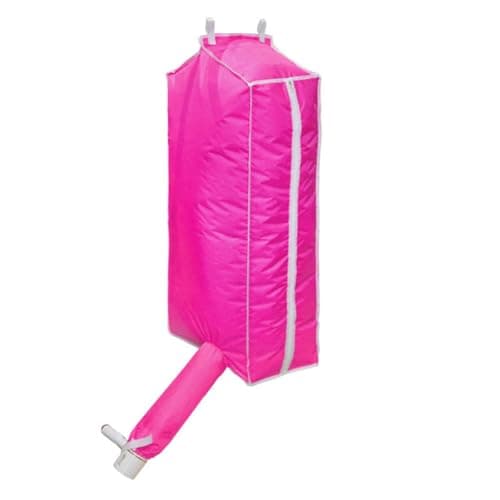
Pick 4 · Making a rack you already own faster
DimyFew Portable Dryer Cover / Clothes Tent Enclosure
A ripstop tent that goes over a standing rack and traps the warm air. The cheapest genuine speed-up available if you already have a rack.
What the manufacturer publishes
- Open
- 30"D x 55"W x 110"H
- Folded
- Folds for storage (dimensions not published)
- Drying line
- Not applicable - an enclosure, not a rack
- Load capacity
- Not applicable
- Material
- Ripstop fabric
Figures from Manufacturer listing on Amazon, retrieved 2026-09-02.
The reason heated racks with covers beat heated racks without them is not the element, it is the enclosure. A cover keeps warm air around the clothes instead of letting it rise into the room.
Used over an unheated rack with a small fan blowing into it, a cover still helps: it turns a room-sized drying volume into a wardrobe-sized one.
At 110 inches tall it is built for a full-height rack. Check the height of yours - over a 40 inch rack, most of the tent is dead space.
Good
- Cheapest way to speed up a rack you already own
- Works with an unheated rack plus a fan
- Packs away when not in use
Not so good
- Sized for tall racks - 110 inches of height to fill
- No load or airflow specifications published
- Trapping moisture in fabric means it needs to dry out afterward
Skip this if your rack is a compact 40 inch model. The tent is far taller than the rack and the extra volume slows things down rather than speeding them up.
#ad · how this is funded · price as of October 16, 2026
Common questions
What is the fastest way to dry clothes indoors?
Spin the load twice, space every garment so none touch, and run a fan under the rack angled upward. Those three together typically cut drying time by more than half and cost about 15 cents.
Does a fan help dry clothes faster?
Substantially - roughly halving drying time in most rooms. It works by removing the saturated layer of air sitting against the fabric and replacing it with drier air.
Is a dehumidifier or a fan better for drying clothes?
A fan in a ventilated room, a dehumidifier in a closed one. The fan needs somewhere for the moisture to go; the dehumidifier makes that somewhere itself.
Do clothes dry faster with a window open?
Usually yes, because the moisture has somewhere to go. The exception is a cold damp day, when outdoor air may already be near saturation and you are cooling the room for nothing.
Sources
- U.S. Energy Information Administration - Electric Power Monthly, Table 5.3 (average residential price of electricity) - retrieved 2026-09-02
- U.S. Environmental Protection Agency - Mold Course, moisture and indoor relative humidity - retrieved 2026-09-02
- Manufacturer listing on Amazon - retrieved 2026-09-02
- Manufacturer listing on Amazon - retrieved 2026-09-02
Read next
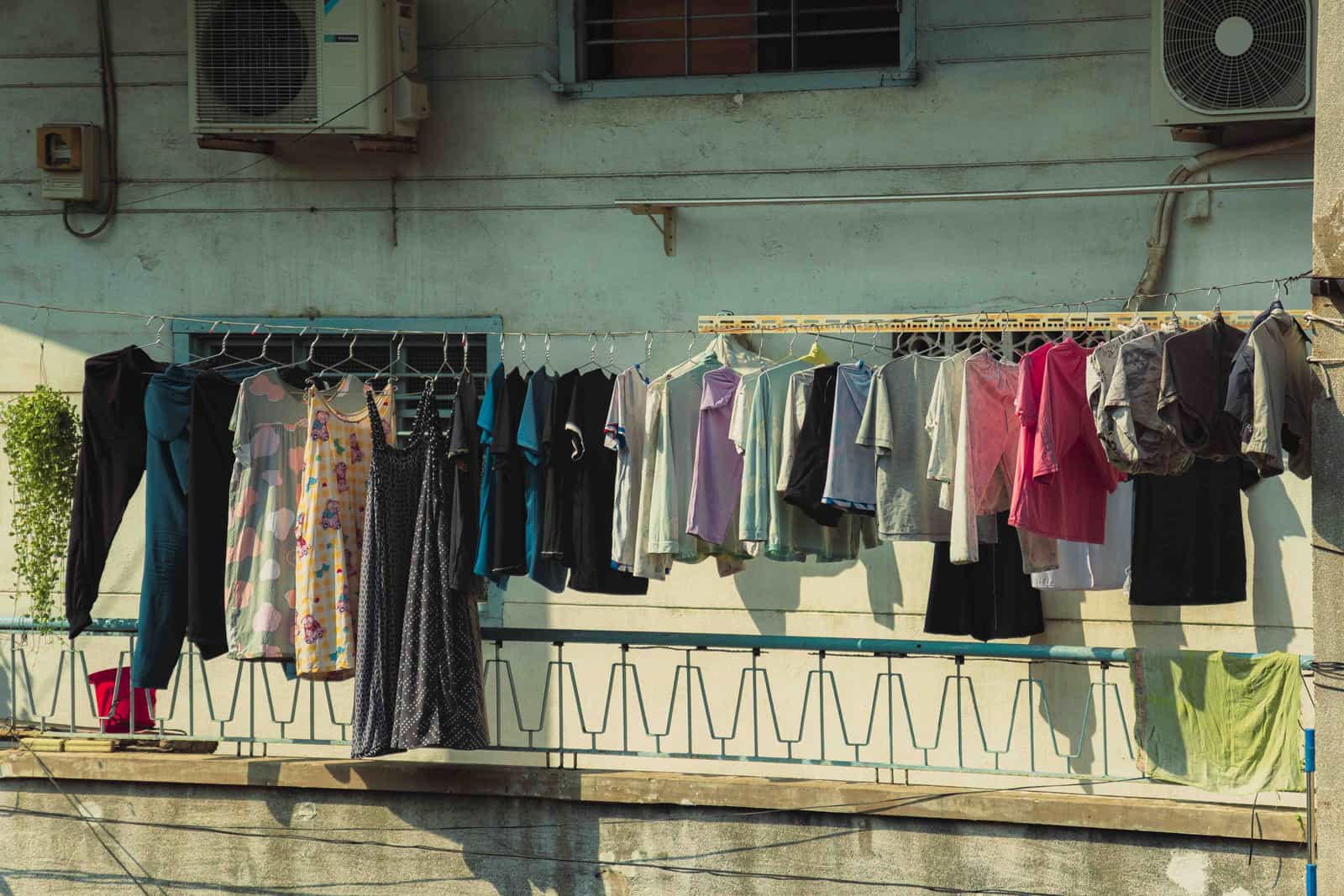
How long does it take clothes to air dry?
A reference table of indoor drying times by garment and by room condition, with the assumptions behind every figure stated.
The best fans for drying clothes
Three fans compared on airflow per watt and noise level, with running cost per load and where to place one.
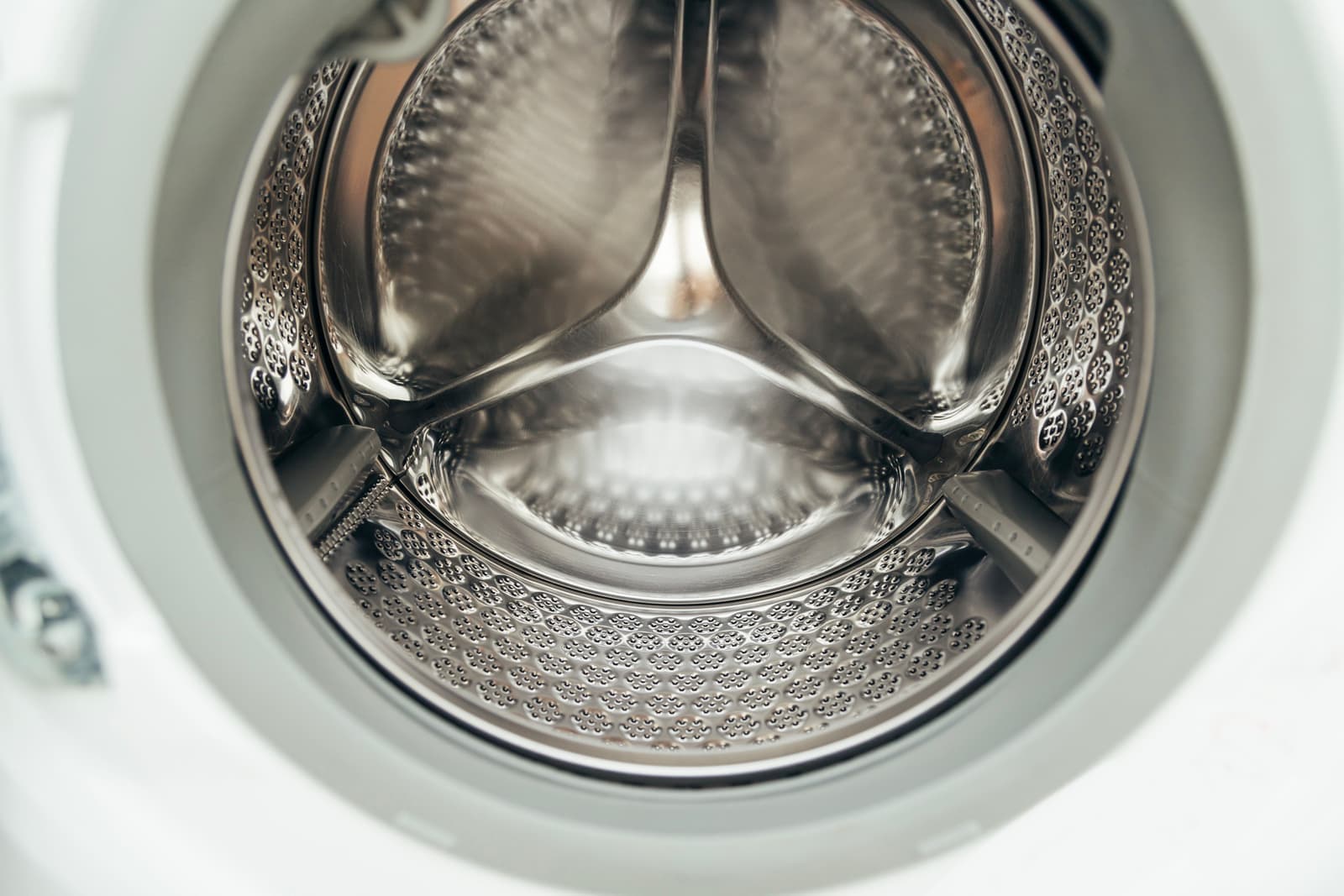
Portable spin dryers
Centrifugal spin dryers that take out most of the remaining water in five minutes, before the rack ever sees the load.
Do heated drying racks work?
The physics of a heated rack in plain language: what the heat does, what it cannot do, and when it makes little difference.
How to load a drying rack so clothes dry faster
Spacing, orientation and loading order - the free technique that changes indoor drying time more than any upgrade.
The best dehumidifiers for drying clothes
Four dehumidifiers ranked on published extraction, wattage and airflow, with cost per drying session computed.