Is a spin dryer worth it?
A machine that does not dry clothes, for people who do not have a dryer. The case for it, and the three situations where it is a waste of $110.
We have not tested these products and we do not pretend to have. Here is what we did instead. Links to Amazon earn us a commission at no extra cost to you - disclosure.
| # | Rack | Best for | Open footprint | Price |
|---|---|---|---|---|
| 1 | 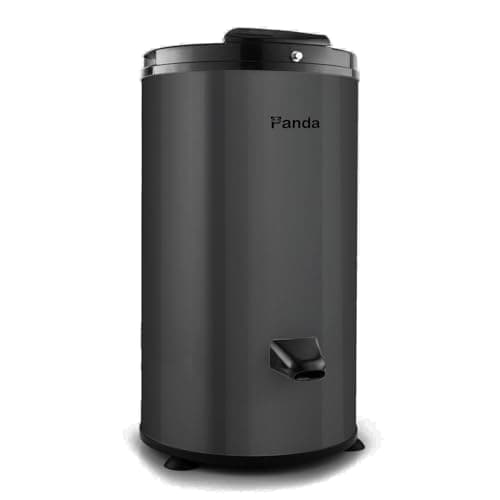 Panda Portable Spin Dryer, 3200 RPM, 22 lbTop pickA 3200 RPM centrifuge that leaves laundry damp rather than wet before it ever reaches a rack. No heat, and it changes the whole timeline. | Cutting drying time in half | 13.5"D x 13.5"W x 25.5"H | |
| 2 | 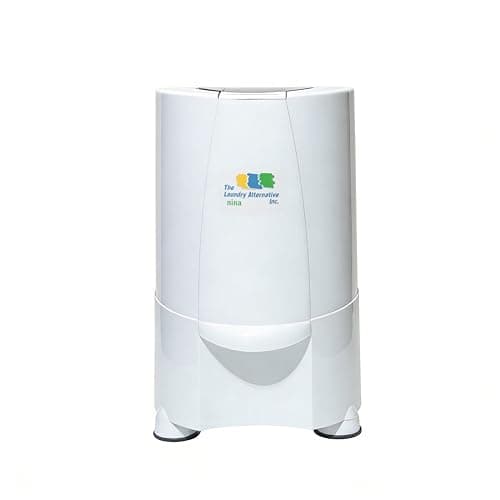 The Laundry Alternative Nina Soft Spin Dryer1800 RPM and a 17 lb load, with the only published outcome claim in this category: 90% dry in five minutes. | A published drying claim | 14"D x 14"W x 24"H | |
| 3 | 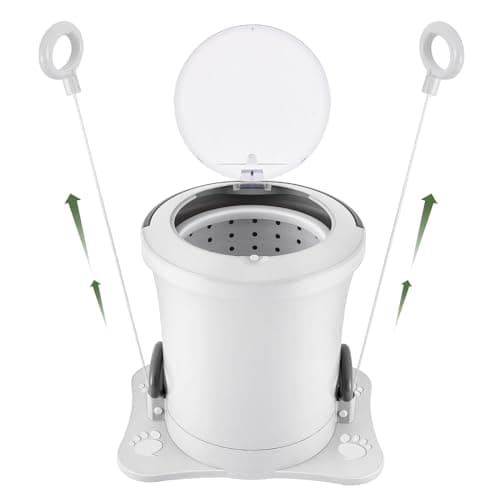 Meticuloso Manual Clothes Spin DryerA published 2,500 rpm driven by your own body weight, with no motor and no plug. Four to eight summer garments a go, and winter clothes mostly do not fit. | Spinning with no outlet at all | 16.5"D x 12.99"W x 15.3"H |
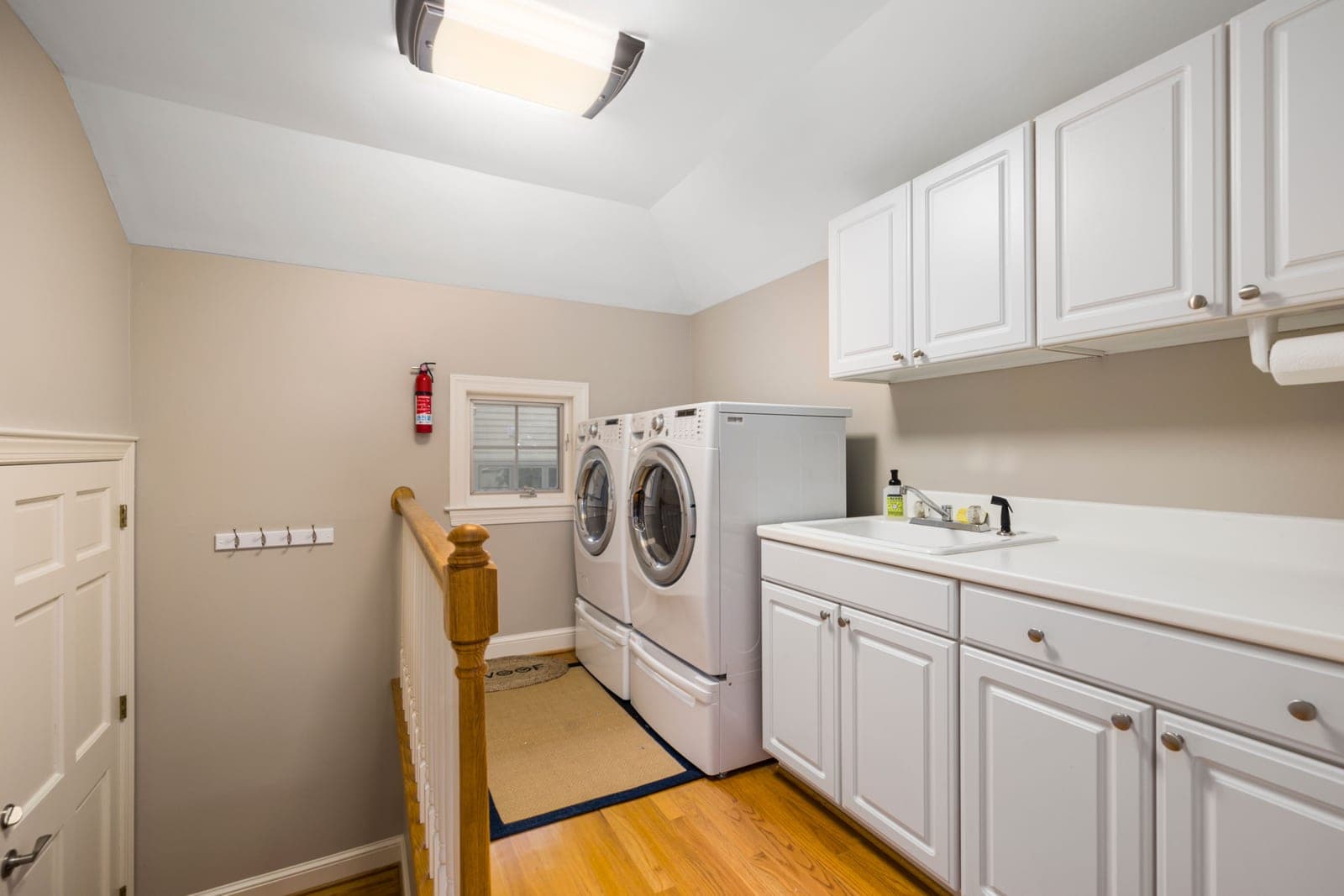
This is the one question nobody in this category answers straight, because the honest answer starts with a disappointment: a spin dryer does not dry clothes. It is a centrifuge with no heating element. You put sopping laundry in, it throws water out through the drum wall, and you take damp laundry out and hang it up. Everything below follows from that.
How we judged it
Before any picks, here are the four tests a spin dryer has to pass for us to call it worth buying. They are the same four for every reader; which ones you fail is what decides your answer.
- Does it remove water your washer has not already removed? This is the whole question, and it is answered by your washer's spin speed rather than by the spin dryer.
- Does the time it saves matter to you? Saving four hours on a load that was going to sit on a rack overnight anyway is worth nothing.
- Does it earn a permanent 1.3 square feet? Spin dryers do not fold. That floor or counter is gone for good.
- Is the humidity it avoids worth something? Every ounce of water the centrifuge removes is an ounce that does not evaporate into your room. In a sealed winter apartment that is the strongest argument of the four.
Test one: what your washer already does
Spin speed is the variable. A machine finishing at 1,400 or 1,600 rpm has already done most of what a spin dryer does, and adding a second centrifuge after it buys you very little. A machine finishing at 600 to 800 rpm - common in compact, portable and older units, which are exactly the machines in the apartments this site is written for - leaves a great deal of water behind.
So the honest rule is the opposite of what the marketing implies: the worse your washer, the more a spin dryer is worth. If you hand-wash, there is no spin cycle at all and the case is strongest of all. If you have a modern full-size machine with a 1,400 rpm final spin, buy a fan instead and spend the difference on nothing.
Test two: the time it actually saves
What manufacturers publish here is consistent and specific, which is unusual in this category: the 1,800 rpm Nina publishes 90% dry in 5 minutes, and the 3,200 rpm Ninja publishes 90% dry in 3 minutes. Both numbers describe the laundry's state leaving the machine, not a drying time.
The useful way to read that is as a head start on the rack rather than a substitute for it. This site's own figures on how long air drying takes put a normally spun indoor load at most of a day; laundry that arrives on the rack already at 90% dry is finishing a much shorter job. It is still a job, and it still needs a rack. Anyone selling you a spin dryer as a dryer replacement is selling you something else - the full comparison is on tumble dryer alternatives.
Test three: the 1.3 square feet
| Machine | Published footprint | Floor or counter | Published capacity |
|---|---|---|---|
| Panda 3200 | 13.5" x 13.5" | 1.27 sq ft | 22 lb |
| Ninja 3200 | 14" x 14" | 1.36 sq ft | Not published |
| Nina Soft | 14" x 14" | 1.36 sq ft | 17 lb |
| Meticuloso manual | 16.5" x 12.99" | 1.49 sq ft | 4-8 summer garments |
None of these folds. For a reader whose whole problem is that a drying rack takes over the room, adding a permanent cube to the corner is a real cost, and it is the reason this page exists rather than a simple roundup. Compare it honestly against the alternative: a fan takes similar floor but can be put away, and a dehumidifier earns its space year-round rather than on laundry day.
Test four: the humidity you avoid, which is the best argument
This is the case almost nobody makes and it is the strongest one. Water that leaves your laundry in a centrifuge goes into a bucket. Water that leaves it on a rack goes into your room - onto the windows, into the walls, and into the air you sleep in. The EPA's own guidance on indoor moisture is unambiguous about what sustained high humidity does to a home.
In summer with the windows open, that water leaves on its own and the point is moot. In a sealed winter apartment it is not: drying clothes indoors in winter and indoor humidity and condensation are two of the most-read pages on this site for a reason. A spin dryer is the only device in the whole kit that removes water from the laundry before it can become room humidity. A dehumidifier removes it afterwards, using electricity to do it.
What a spin dryer costs, and what it does not
The electric machines here sit at the upper end of what this site recommends anyone spend on drying gear, and the manual one is roughly a third less. There is no running cost to speak of on any of them - a three to five minute spin draws a trivial amount of power, and the manual unit draws none at all because it has no motor.
What a spin dryer does not do is save you money on electricity. It is not competing with a tumble dryer's 2.5 kWh a load; it is competing with a drying rack, which costs nothing to run. The return is time and room humidity, and if neither of those is a problem for you then the correct answer to the question in the title is no.
The non-electric option nobody mentions
There is a whole second category here: manual spin dryers, with no motor and no plug. The one in the picks below publishes 2,500 rpm - between the Nina's 1,800 and the 3,200 of the fast electric machines - driven by standing on it. Published spin times are per item: about 10 seconds for a small fleece blanket, 30 to 45 seconds for a bath towel.
The catch is capacity, and the manufacturer is refreshingly direct about it: a published inner bucket 9.84 inches across and 7.87 inches deep, holding four to eight spring or summer garments, or one to three winter ones. A machine load goes through it in batches. For an RV, a boat, a van, an off-grid cabin or a dorm room where the outlets are already spoken for, that trade is obviously worth making. For a city apartment with a washer, it is obviously not.
So: who should buy one
- Buy the Panda 3200 if you air-dry whole loads indoors. 22 lb published capacity, the largest here, and the only published stainless outer case - the full review is here.
- Buy the Nina if you hand-wash knitwear and delicates. 1,800 rpm published, the gentlest of the three, and the cheapest electric machine on this page.
- Buy the manual one if you have no outlet to give. 2,500 rpm, 8 lb, no motor - and one small batch at a time.
- Skip it if your washer spins at 1,200 rpm or faster and you can open a window. A fan does more for your drying time at a tenth of the price.
- Skip it if the room has no spare 1.3 square feet. It does not fold and it never will.
- Skip it if you wanted a dryer. It is not one, and no spin dryer sold is.
The honest summary
A spin dryer is a narrow tool that is excellent at one job: taking water out of laundry mechanically so that neither your rack nor your room has to deal with it. If you hand-wash, run a compact or portable washer, or dry indoors through a winter with the windows shut, it is the single most effective thing you can add to an air-drying setup and it will change how long a load takes.
If you have a modern washer with a fast spin and a ventilated room, it is an expensive box that does almost nothing your machine has not already done. That is not a comfortable answer for a page with buy buttons on it, but it is the true one, and the three machines below are there for the readers it genuinely suits.
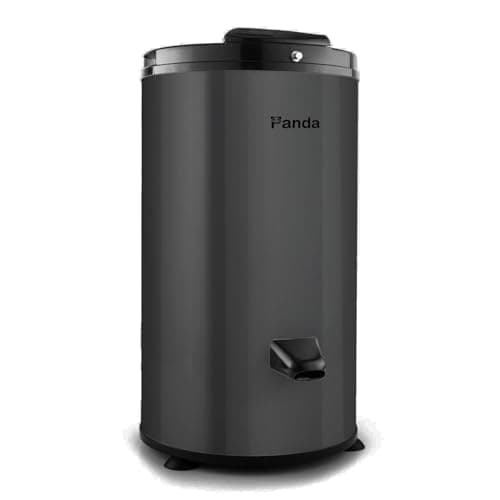
Top pick · Cutting drying time in half
Panda Portable Spin Dryer, 3200 RPM, 22 lb
A 3200 RPM centrifuge that leaves laundry damp rather than wet before it ever reaches a rack. No heat, and it changes the whole timeline.
What the manufacturer publishes
- Open
- 13.5"D x 13.5"W x 25.5"H
- Folded
- Not applicable
- Drying line
- Not applicable
- Load capacity
- 22 lb
- Material
- Stainless steel drum
Figures from Manufacturer listing on Amazon, retrieved 2026-09-02.
A washing machine's spin cycle leaves clothes holding a lot of water. A dedicated spin dryer at 3200 RPM removes much more of it mechanically, and mechanical water removal is far cheaper than evaporating the same water with heat.
The practical effect is on the clock, not the bill: laundry that goes onto the rack already damp rather than wet finishes hours earlier.
22 lb capacity and a stainless drum, in a footprint about the size of a kitchen trash can.
The listing does not publish a wattage, so we do not publish a running cost for it. What we can say is that the spin runs for minutes, not hours.
Good
- 3200 RPM - the highest spin speed here
- 22 lb capacity
- Stainless drum
- Runs for minutes, not hours
Not so good
- No published wattage
- Another appliance to find space for
- Gravity drain means it needs to sit near a drain or a bucket
Skip this if your washer already has a high-speed spin. The gain is much smaller if your machine spins at 1400 RPM or above.
#ad · how this is funded · price as of October 17, 2026
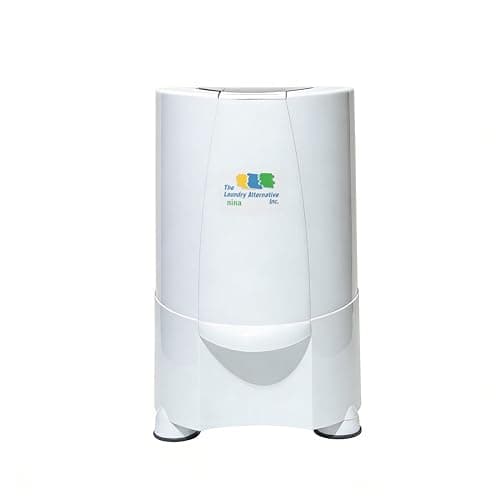
Pick 2 · A published drying claim
The Laundry Alternative Nina Soft Spin Dryer
1800 RPM and a 17 lb load, with the only published outcome claim in this category: 90% dry in five minutes.
What the manufacturer publishes
- Open
- 14"D x 14"W x 24"H
- Folded
- Not applicable
- Drying line
- Not applicable
- Load capacity
- 17 lb
- Material
- Ventless centrifugal spin dryer
Figures from Manufacturer listing on Amazon, retrieved 2026-09-02.
The manufacturer publishes an actual result - 90% dry in five minutes - rather than an adjective. We are quoting their claim, not a measurement of ours.
1800 RPM against the Panda's 3200. Lower speed, gentler on fabric, and it carries a three-year warranty.
Its own listing is careful to say this is not a clothes dryer: it does not use heat and it does not finish the job. It shortens the rack time; it does not replace the rack.
Good
- Publishes a concrete performance claim
- 3-year manufacturer warranty
- Gentler 1800 RPM spin
- Ventless, so it needs no installation
Not so good
- 17 lb, less than the Panda
- No published wattage
- Does not finish drying - a rack is still required
Skip this if you expected a dryer. This is a water-removal step before the rack, and the listing says so plainly.
#ad · how this is funded · price as of October 17, 2026
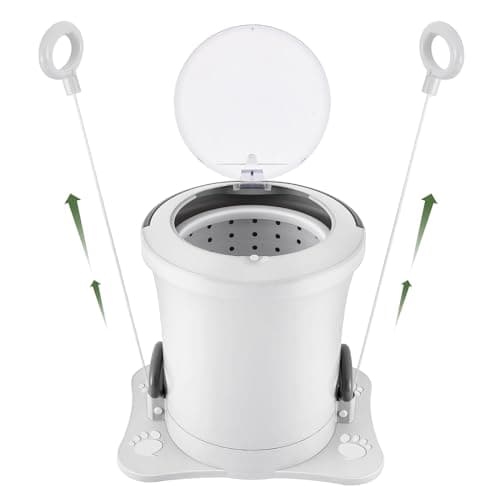
Pick 3 · Spinning with no outlet at all
Meticuloso Manual Clothes Spin Dryer
A published 2,500 rpm driven by your own body weight, with no motor and no plug. Four to eight summer garments a go, and winter clothes mostly do not fit.
What the manufacturer publishes
- Open
- 16.5"D x 12.99"W x 15.3"H
- Folded
- Not applicable
- Drying line
- Not applicable
- Load capacity
- 4-8 spring or summer garments, or 1-3 winter garments. No weight published
- Material
- not published
Figures from Manufacturer listing on Amazon, retrieved 2026-10-17.
2,500 rpm is published, which puts it between the Nina's 1,800 and the 3,200 of the two fast electric units. The difference is that you supply the energy: the instructions say both feet must stand on the bucket while it spins.
The inner bucket is published at 9.84 inches across and 7.87 inches deep. That is small - one pair of jeans and a shirt, not a load - and it is why the capacity is counted in garments rather than pounds.
Published spin times are per item rather than per load: about 10 seconds for a small fleece blanket, 30 to 45 seconds for a bath towel. A full machine load goes through it in batches.
There is no wattage because there is no motor, so there is no running cost at all. For an RV, a boat or a dorm room with one outlet already spoken for, that is the entire argument.
Good
- 2,500 rpm published, with no electricity
- 8 lb, so it stores on a shelf
- Published per-item spin times, which the electric units mostly do not give
- Roughly a third less than the cheapest electric spin dryer here
Not so good
- You operate it with your feet, one small batch at a time
- No load weight, no material and no warranty are published
- Winter clothes: one to three garments, by the manufacturer's own count
Skip this if you are spinning a whole machine load at once. The published bucket is 9.84 inches across, so a full load means six or eight separate batches - the electric units take the lot in one.
#ad · how this is funded · price as of October 17, 2026
Common questions
What does a spin dryer actually do?
It spins laundry at high speed so centrifugal force throws water out through the drum wall into a drain or a bucket. There is no heat and no tumbling. Clothes come out damp rather than dry and still need a rack or a line afterwards - what you have bought is a head start, not a finish.
Is a spin dryer worth it if my washing machine already has a spin cycle?
Usually not. If your machine finishes at 1,400 or 1,600 rpm it has already done most of the same work. The case is strong for hand-washing, for compact and portable washers, and for older machines that finish at 600 to 800 rpm, where a lot of water is still in the fabric when the wash ends.
Can a spin dryer replace a tumble dryer?
No. It removes water but applies no heat, so laundry leaves it damp. The manufacturers say so themselves - The Laundry Alternative's own listing states plainly that it is not a regular clothes dryer and does not get clothes 100% dry. You still need a rack.
How much water does a spin dryer remove?
The two machines that publish a figure both state 90% dry: the 1,800 rpm Nina in 5 minutes and the 3,200 rpm Ninja in 3. Those are manufacturer claims about the state of the laundry leaving the drum, not independently measured residual-moisture percentages, and nobody in this category publishes one.
Are there spin dryers that do not need electricity?
Yes. Manual spin dryers are operated with your feet and have no motor at all - the one on this page publishes 2,500 rpm and an inner bucket 9.84 inches across, holding four to eight summer garments per batch. They cost roughly a third less than the electric machines and suit an RV, a boat or an off-grid cabin.
Does a spin dryer help with damp and condensation indoors?
Yes, and it is the best reason to own one. Water extracted into a bucket is water that never evaporates into your room. On a sealed winter evening a rack of wet laundry puts most of a wash's water into the air you are breathing; a spin dryer removes a large part of it first, which is a different mechanism from a dehumidifier taking it back out afterwards.
Sources
- U.S. Environmental Protection Agency - Mold Course, moisture and indoor relative humidity - retrieved 2026-09-02
- U.S. Environmental Protection Agency - A Brief Guide to Mold, Moisture and Your Home - retrieved 2026-09-02
- Manufacturer listing on Amazon - retrieved 2026-10-17
- Manufacturer listing on Amazon - retrieved 2026-10-17
- Manufacturer listing on Amazon - retrieved 2026-10-17
Read next
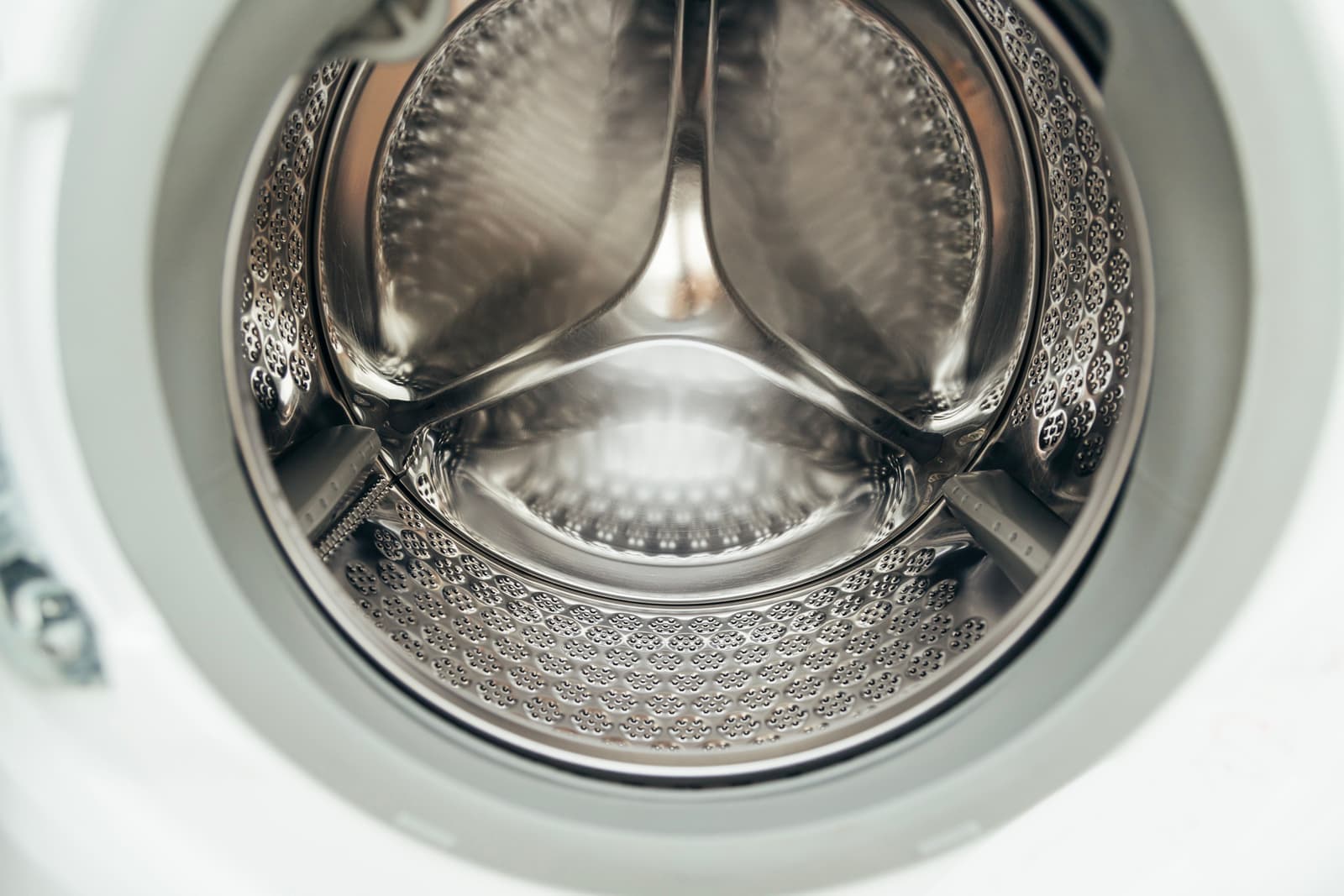
Portable spin dryers
Centrifugal spin dryers that take out most of the remaining water in five minutes, before the rack ever sees the load.

Panda 3200 RPM spin dryer review
Every published figure on the Panda 3200, the capacity-per-square-foot arithmetic, and the two specifications Panda declines to state.
Spin dryer vs tumble dryer
What a spin dryer does that a tumble dryer does not, what it costs to run, and why the honest comparison is spin plus a rack against a tumble dryer.
How to dry clothes faster indoors
Every lever on indoor drying speed, ranked by time saved and priced per load, from the free habits to the appliances.

Drying clothes indoors, humidity and condensation
Where the water from indoor drying actually goes, what humidity level to aim for, and how to avoid the condensation that follows.

Apartment laundry without a dryer
A complete drying setup for a small rental, from the rack to the humidity, assuming no dryer and no holes in the walls.